How Heavy Rain and Storms Affect Gutter Performance
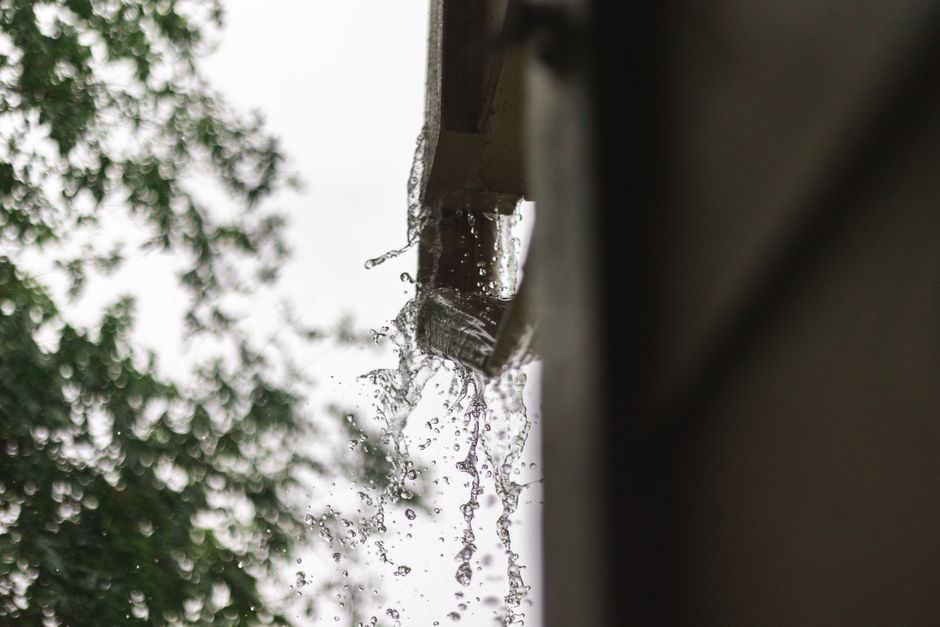
Gutters are sized and installed to handle typical rainfall, but a heavy storm asks more of the system than an ordinary rain shower does. Understanding what actually happens to a gutter system during intense rainfall — and why some systems handle it better than others — is useful on its own, separate from any question of storm response or repair services. This article covers the physical mechanics only: what heavy rain does to a gutter system, not how to respond after a specific storm has already caused damage. How well a system holds up during a storm traces back in large part to how it was sized and put together in the first place, which is covered in more detail on the seamless gutter installation page.
What "capacity" means for a gutter system
Every gutter system has a practical limit to how much water it can move at once, based on the size of the trough, the number and placement of downspouts, and the slope built into the run to keep water flowing toward the outlets. During a light-to-moderate rain, water enters the gutter roughly as fast as it drains out, and the system keeps up without much visible strain.
During a heavy downpour, water can enter the gutter faster than it can exit through the downspouts, even in a system that's in good condition. When that happens, water backs up in the trough and eventually overflows the front lip rather than a functional problem with the gutter itself — it's simply more water arriving per minute than the outlets can pass through.
Why intensity matters more than total rainfall
A slow, steady rain that drops a certain amount of water over several hours puts far less momentary strain on a gutter system than the same total amount falling in twenty minutes during a fast-moving storm. Short, intense bursts of rainfall — common with summer thunderstorms in this region — are the scenario most likely to reveal whether a gutter system's downspout count and placement are adequate for the roof area they're draining, since the system has to move a large volume of water in a short window rather than a smaller volume spread across a longer one.
How wind factors into storm performance
Wind during a storm changes the angle rainfall hits the roof and can push water sideways along a gutter run rather than straight down into it, which reduces how much water actually makes it into the trough compared to calm-weather rain. Wind can also drive debris — leaves, small branches, granules from roofing material — into the gutter during the same storm that's testing its capacity, which can partially block a downspout outlet at the exact moment the system needs full flow the most.
What happens when a gutter is overwhelmed
A few visible effects show up when storm rainfall exceeds what a gutter run can handle:
- Overflow along the front edge, where water spills over the lip of the gutter rather than draining through the downspout, often concentrated at low points or near clogged sections.
- Water sheeting down the fascia and siding, which can happen even with a gutter that's otherwise in good condition, simply because the volume of water exceeds outlet capacity during the most intense part of the storm.
- Added weight and stress on brackets, since a gutter running full of water is considerably heavier than an empty one, and a storm sustained over an hour or more keeps that weight on the mounting hardware the whole time.
Existing wear makes storm performance worse
A gutter system that's already showing some wear — a section pulling slightly away from the fascia, a seam that's begun to separate, a downspout partially blocked by debris — has less margin to handle a storm's peak intensity than a system in solid working condition. Problems that aren't very noticeable during ordinary rain, like a slightly sagging section holding a bit of standing water, tend to become obvious during a heavy storm because that's when the system is working closest to its actual limit.
Why regular maintenance affects storm performance
Debris buildup in a gutter reduces the effective capacity of the trough and can partially or fully block a downspout outlet, which matters most exactly when rainfall is heaviest. A gutter that's clear and draining freely going into storm season has more usable capacity during an intense rain event than the same gutter half-full of leaves and grit. This is one of the reasons gutter condition is worth checking before the season's heaviest rain rather than after a storm has already tested the system.
How the underlying system affects storm performance
Beyond day-to-day maintenance, the way a gutter system was originally sized and put together has a direct effect on how it handles a storm's peak intensity. A run with enough downspouts for the roof area it drains, a slope steep enough to move water efficiently toward those outlets, and a trough sized appropriately for the region's typical rainfall intensity all have more margin during a heavy downpour than a system that was undersized or poorly sloped from the start. Two homes on the same street can see very different results from the same storm simply because of differences in how their gutter systems were configured well before the storm arrived.
Requesting a quote
If a recent storm exposed overflow, sagging, or drainage problems with your current gutters, you can request a quote through this site to have the system evaluated. Call 908-493-5028 or fill out the short form to get started.